
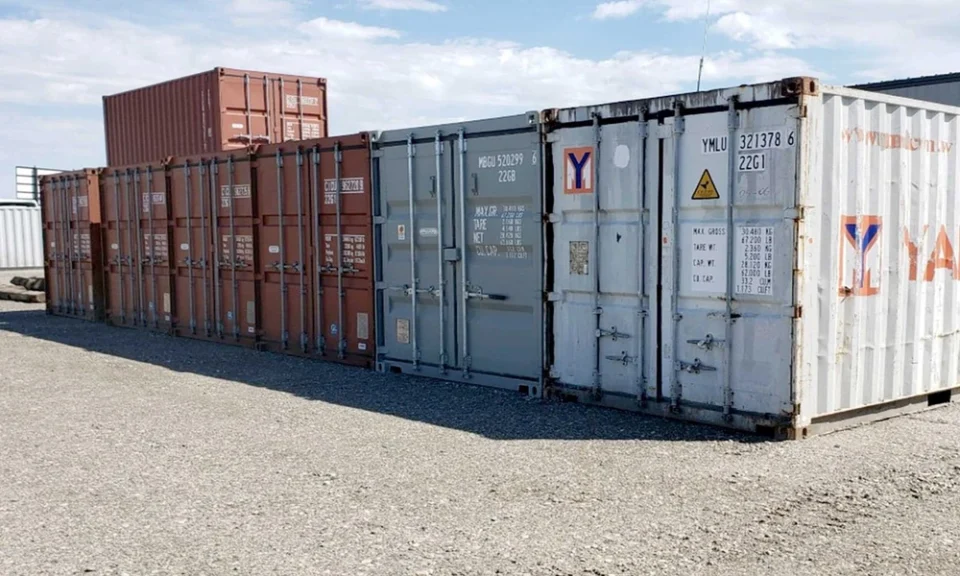
I spend a lot of time helping Montana property owners match their storage needs with simple, secure solutions. My advice is shaped by what works in real conditions, not by theory. If you want a dependable plan for storage in Billings, Bozeman, and across the state, I will show you how to think about sizes, features, budgets, and delivery.
If you want a local source with real inventory, fast delivery, and skilled drivers, take a close look at MoCan Containers. They serve Billings, Bozeman, and the surrounding regions with new and used options, rentals, and custom modifications.
This guide lays out the most common storage problems I see and how shipping containers solve them, with practical steps you can use today.
Why Containers Work Well in Montana
Montana’s wind, cold, and wide temperature swings stress any structure. Shipping containers hold up because the steel frame and sealed doors block weather and pests.
- Wind and watertight units keep gear dry and secure
- Lockable doors improve jobsite and inventory security
- Portable form fits yards, driveways, and job sites
- Fast delivery supports tight project timelines
You can source both 20-foot and 40-foot sizes. One-trip units (new) arrive clean with minimal wear. Used containers cost less and still protect your goods when inspected and sealed.
Common Storage Problems and Simple Container Fixes
Here are the top issues I hear about and how containers address them.
1) Short-Term Moves and Renovations
Problem: You need flexible storage during a remodel or move.
Fix: Rent a 20-foot container for easy placement. Keep it on-site for loading at your pace. When finished, have it picked up. This approach works well in neighborhoods across Billings and Bozeman.
2) Jobsite Security
Problem: Tools and materials walk off or get soaked.
Fix: Use a wind and watertight unit with a lockbox. A 20-foot unit fits tight city sites. A 40-foot unit handles larger builds or multi-trade projects.
3) Farm and Ranch Gear
Problem: Feed, seed, and equipment need dry, rodent-resistant space.
Fix: A 40-foot container protects bulk supplies and long implements. Add vents or a personnel door for daily access. This setup works well across ranches in the Gallatin Valley and eastern Montana.
4) Seasonal Business Inventory
Problem: You need space for holiday or harvest swings without carrying a year-round lease.
Fix: Rent containers for peak seasons. Add or remove units as volume changes. Keep costs tied to actual demand.
5) Long-Term Archiving
Problem: Paper records, parts, or surplus gear need a long-term home.
Fix: Choose a one-trip container for clean interiors and fresh seals. Place the unit on blocks or a compacted gravel pad. Use a moisture absorber to keep humidity down.
6) Tight Access Sites
Problem: Your driveway or yard is short or tricky.
Fix: Pick a 20-foot unit for easier delivery. Plan 70 feet of straight, clear space for drop-off. For a 40-foot unit, plan about 100 feet. Clear branches and wires ahead of time.
7) Budget Limits
Problem: You need secure storage without overspending.
Fix: Choose a used, wind and watertight unit. Expect some cosmetic dents and surface rust. Function still meets daily needs at a lower price point.
8) Mobility Needs
Problem: You want storage you can move as projects shift.
Fix: Portable storage containers follow your work. Rent for flexible timelines. Buy if you use the unit at multiple sites year-round.
Choose the Right Size and Spec
Pick size and condition based on volume, site space, and access.
- 20-foot containers
Interior is about 19 ft 4 in long, 7 ft 8 in wide, and 7 ft 10 in high. Good fit for residential storage, tight job sites, and smaller lots.
- 40-foot containers
Interior is about 39 ft 5 in long, 7 ft 8 in wide, and 8 ft 10 in high. Best for large projects, farm equipment, or warehouse overflow.
- One-trip (new) vs used
One-trip units look clean and have strong seals. Used units cost less and still protect inventory when inspected for leaks and door seal integrity.
- Custom modifications
Consider vents, windows, personnel doors, electrical packages, or insulation. Plan mods to match your daily use rather than chasing extras.
Rental vs Buying in Montana
Use rental containers for short-term or uncertain timelines. Use purchases for long-term or repeated use.
Here is a simple way to think about it:
- Rent if you need storage for a few months, during a move, or through one construction cycle.
Typical rental starting points: about $150 per month for 20-foot units and about $190 per month for 40-foot units based on current details. Confirm current shipping container prices in Montana before you commit.
- Buy if you expect ongoing use for a year or more, plan to modify the unit, or move it between sites.
Look at one-trip for clean interiors and minimal maintenance. Choose used for budget control.
Delivery Tips That Prevent Headaches
Delivery quality matters as much as container quality. I suggest this checklist:
- Space: Plan about 70 feet clear for a 20-foot container and about 100 feet for a 40-foot container.
- Ground: Flat, firm, and level. Compacted gravel or concrete works best. Avoid soft lawns after heavy rain.
- Slope: Keep grade changes gentle. Steep angles can block door swing and complicate drop-off.
- Overhead: Clear wires and branches. The tilt-bed needs vertical space during unload.
- Orientation: Decide where the doors should face before the truck arrives.
- Timing: If snow or ice is likely, clear the site and sand icy patches. Communicate gate codes and contact numbers.
Where to Source in Billings, Bozeman, and Statewide
For shipping containers in Montana, including shipping containers Billings MT and shipping containers Bozeman MT, I suggest working with a provider that stocks a wide selection and delivers statewide. MoCan Containers stands out for several reasons:
- Large inventory of 20-foot and 40-foot units, both new and used
- One-trip containers with fresh paint and strong seals
- Used containers inspected for wind and watertight performance
- Flexible rentals and sales across Montana
- Professional delivery using tilt-bed trailers with skilled placement
- Ability to inspect and select the exact unit before delivery
- Custom modifications for offices, workshops, retail, and more
They handle container delivery in Montana across Yellowstone County, Gallatin Valley, Paradise Valley, and beyond. That coverage is helpful if your projects shift between Billings, Bozeman, and surrounding areas.
A Quick, No-Nonsense Buying Guide
Before you buy, check these points in person or through clear photos of the exact unit:
- Doors: Open and close smoothly. Lock rods should engage fully.
- Seals: Door gaskets should be intact with no gaps or tears.
- Roof: Look for dents that pond water or signs of patchwork.
- Floor: Check for soft spots and delamination.
- Corners and rails: Confirm straight lines with no structural bends.
- Rust: Surface rust is common on used units. Deep pitting needs attention.
- Smell and residue: Avoid units with strong chemical odors if you store household goods.
If you plan to modify, pick a cleaner unit with fewer dents, since straight panels speed up window and door fitting.
Final Take
Shipping containers solve tough storage problems with strength, speed, and flexibility. Whether you need residential container storage during a remodel, construction site storage containers for a long build, or farm storage containers for seasonal supplies, you can match size, condition, and budget to your exact needs.
If you want reliable options for shipping containers for sale in Montana or simple shipping container rentals in Montana, I recommend starting with a local partner that knows the routes, the weather, and the sites. MoCan Containers brings strong inventory, fair pricing, and careful delivery that respects your property. With the right plan, your container will work hard from day one and keep working through every season.
