
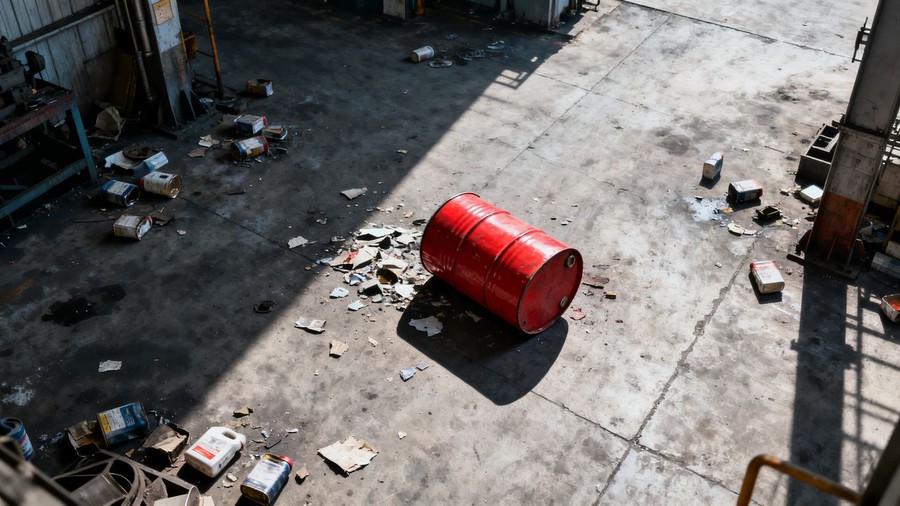
When a product recall is announced, the immediate financial consequences can be substantial and hit a company hard and fast. These aren’t the long-term headaches; these are the costs that appear on the balance sheet almost instantly. It’s a tough situation, no doubt about it.
Direct Costs of Product Retrieval and Destruction
This is often the most visible part of the financial fallout. Companies have to physically get the affected products out of circulation. This involves a whole chain of expenses:
- Logistics and Transportation: Paying to ship recalled items back from distributors, retailers, and sometimes directly from consumers. This can add up quickly, especially if products are spread far and wide.
- Storage and Handling: Once retrieved, these products need to be stored safely, often in specialized facilities, before they can be dealt with.
- Disposal Fees: Many recalled items, particularly those involving contamination or safety hazards, require specific, often costly, methods for destruction or disposal to prevent further risk.
- Processing Refunds and Returns: Managing the administrative side of giving customers their money back or processing returns adds another layer of expense.
Legal and Regulatory Compliance Expenses
Recalls immediately trigger a response from regulatory bodies, and navigating these requirements is not cheap. Companies must engage legal counsel and regulatory experts to ensure they meet all obligations. This often includes:
- Legal Fees: Attorneys specializing in recall management and compliance are essential to guide the process and minimize further legal exposure.
- Consulting Services: Experts may be hired to help manage the recall communication strategy, coordinate efforts, and ensure adherence to regulations.
- Testing and Analysis: Laboratory fees for testing to identify the root cause of the defect or contamination are a significant expense.
Investigation and Root Cause Analysis
Finding out why the recall happened is critical, but it also costs money. This isn’t just about fixing the problem; it’s about understanding it fully to prevent future issues. The investigation can involve:
- Internal Resources: Dedicating employee time to investigate, which takes them away from their regular production or operational duties.
- Third-Party Expertise: Hiring external consultants or specialized firms to conduct thorough investigations, facility inspections, or equipment testing.
- Documentation and Reporting: The effort required to meticulously document findings and prepare reports for regulatory agencies can be extensive.
These immediate costs, while significant, are often just the tip of the iceberg when considering the full financial picture of a product recall. The initial outlay for retrieval, legal navigation, and investigation can easily run into the millions, impacting a company’s cash flow and profitability right away. For instance, a single product recall can cost global companies around ten million dollars, covering these direct expenses.
Analyzing Hidden Long-Term Costs Following a Recall Incident
While the immediate expenses of a product recall are significant, the true financial toll often unfolds over months and years. These hidden costs can be far more damaging to a manufacturer’s bottom line and overall viability. The erosion of consumer trust is perhaps the most profound and lasting consequence. Once confidence is shaken, rebuilding it requires substantial investment and time, if it can be rebuilt at all.
Brand Reputation Recovery Expenses
Following a recall, companies often face a steep climb to repair their public image. This involves significant spending on public relations campaigns, advertising designed to reassure consumers, and potentially offering incentives to regain loyalty. The goal is to shift the narrative from one of failure and risk to one of responsibility and commitment to quality. This can include:
- Crisis communication efforts: Engaging PR firms to manage media inquiries and craft public statements.
- Rebranding initiatives: Developing new marketing materials and campaigns to distance the company from the recall.
- Customer outreach programs: Directly addressing consumer concerns and offering support.
Effects on Consumer Trust and Buying Behavior
Consumer trust is a fragile asset, and a product recall can shatter it. Studies have shown that consumers often change their purchasing habits for extended periods after a recall, even for products unrelated to the recalled item. This shift in behavior can manifest in several ways:
- Avoidance of the brand: Consumers may actively seek out alternatives, even if they are more expensive or less convenient.
- Reduced brand loyalty: Long-time customers might switch to competitors, making it difficult to win them back.
- Increased skepticism: Consumers may become more wary of new products from the company, demanding more proof of safety and quality.
This loss of trust can lead to a sustained decrease in demand, impacting sales figures long after the physical recall is complete. The long-term financial and reputational damage can be substantial.
Long-Term Decline in Sales and Market Share
The cumulative effect of damaged reputation and altered consumer behavior is a tangible decline in sales and market share. Retailers, wary of stocking products associated with recalls, may reduce shelf space or cease carrying the brand altogether. Competitors can capitalize on the situation, attracting disillusioned customers. This can result in a prolonged period of reduced revenue and a struggle to regain lost ground in the market. The perceived risk associated with the manufacturer can also lead to higher interest rates on business loans, further straining finances.
Operational Disruption and Supply Chain Implications
A product recall doesn’t just pull a faulty item off the shelves; it can throw a company’s entire operational rhythm into chaos. The immediate aftermath often involves halting production lines. This isn’t just about stopping the machines; it’s about lost output, missed deadlines, and the ripple effect that follows. When a recall hits, manufacturers must scramble to understand the scope of the problem, which often means pausing operations to investigate. This pause can be incredibly costly, leading to significant financial losses due to idle factories and unfulfilled orders.
Beyond the factory floor, the supply chain relationships that were carefully built can start to fray. Suppliers who provide components might face uncertainty about future demand, potentially impacting their own stability. For instance, a major recall could lead to a supplier’s stock price dropping, affecting their ability to secure financing [d8ef]. Rebuilding trust with these partners is a slow and often expensive process. Furthermore, the logistics involved in retrieving recalled products, managing returned inventory, and then re-establishing normal supply flows present immense challenges. This can involve complex inventory management, rerouting shipments, and dealing with the disposal or rework of affected goods, all of which add layers of cost and complexity to an already stressed operation. Manufacturers face significant financial, reputational, and operational consequences from product recalls, highlighting the importance of effectively managing recall risks [21f7].
Insurance, Litigation, and Compliance Ramifications
A product recall affects much more than just the bottom line. When a recall strikes, manufacturers are forced to face insurance headaches, courtroom battles, and government fines—all at once. These issues can stretch on for years, pulling focus and resources away from the day-to-day work of running a business. Here’s a closer look.
Rising Product Recall Insurance Premiums
Many manufacturers already pay for product recall insurance. After a costly recall, insurance providers often raise rates or even slash the parts of coverage that matter most. In some cases, the insurer might drop the policy altogether. Here’s what usually happens:
- Yearly premiums go up sharply after just one major incident.
- Insurance plans may suddenly cover less, or include more restrictions around future claims.
- Severe losses can make it impossible to renew or secure new coverage.
Companies start to rethink how much they can depend on insurance alone to weather the storm. For more details, see what goes into product recall liability coverage.
Settlements, Court Costs, and Legal Liabilities
Recalls sometimes lead straight into lawsuits. Legal costs can include the obvious—lawyer fees, settlements, regulatory fines—but also the less obvious: ongoing costs to defend the company’s name in court.
- Legal fees often mount up before a case even gets to court.
- Damages, if a company is found liable, run high and can drain reserves quickly.
- Class action lawsuits can span years, dragging out the financial pain.
In rare situations, a company might have to pay claimants directly if insurance doesn’t cover the loss, which can tip a struggling business over the edge.
Penalties from Regulatory Non-Compliance
Missing the mark on food safety or product safety laws brings another cost: government action. Regulators like the FDA don’t just issue warnings—they can fine companies heavily, or even force a shutdown.
- Fines for non-compliance after a recall can hit six figures or more.
- The cost of meeting new, stricter compliance requirements adds up quickly.
- Companies may need to hire third-party auditors or invest in upgrading processes to get back on the right side of the rules.
It’s not just the financial blow—there’s a real risk of damage to a firm’s standing with retailers and partners. Compliance failures tend to stick in everyone’s memory. Anyone wanting a closer look at removing a product from the market and related insurance can check out recall insurance coverage details.
In the end, handling insurance, litigation, and compliance fallout is about more than just cutting a check. It means reorganizing operations, defending reputation, and sometimes fighting for the future of the company itself.
Impact on Retailers and Industry Partners
When a product recall happens, it’s not just the manufacturer that feels the financial pinch. Retailers and other partners in the supply chain often face significant disruptions and costs, too. These ripple effects can be substantial and long-lasting.
Retailer Costs and Lost Shelf Space
Retailers are on the front lines when a recall is announced. They have to quickly identify and pull the affected products from their shelves. This takes time and labor, pulling staff away from other tasks. Beyond the immediate removal, there’s the issue of empty shelf space. This lost real estate means lost sales opportunities, not just for the recalled item but potentially for related products as well. Customers might also hesitate to buy from a store that had recalled items on its shelves, even after they’ve been removed. It can create a general sense of unease about the products being offered.
Distributor and Supplier Contractual Issues
Distributors and suppliers can also find themselves in a difficult spot. A recall can strain relationships that have been built over years. If the recall is due to a faulty component or raw material, suppliers might face intense scrutiny. They could be required to conduct extensive testing on their own inventory, leading to unexpected expenses. In some cases, contracts might be reviewed or even terminated, especially if the recall highlights systemic quality issues. This can lead to a loss of business and make it harder for these partners to secure new contracts, impacting their own financial stability. It’s a tough situation for everyone involved in the product recall process.
Industry-Wide Confidence and Competitive Pressure
Sometimes, a single recall can cast a shadow over an entire product category or industry. If consumers lose faith in the safety or quality of products from one company, they might become wary of similar products from competitors. This erodes overall market confidence. For retailers, this can mean a more cautious approach to stocking new products or demanding stricter quality assurances from all their suppliers. Companies across the board might feel pressured to invest more in quality control and preventative measures to avoid similar issues and maintain consumer trust. This increased vigilance, while good for consumers, adds to the operational costs for everyone in the sector, especially when dealing with sensitive items like those in the food supply chain.
Case Studies Demonstrating the Product Recall Financial Impact
When we look at the real-world consequences of product recalls, the numbers can be pretty eye-opening. It’s not just about pulling a few items off the shelves; the financial fallout can be immense and long-lasting. Examining specific incidents helps us grasp the full picture.
Major Food Recall Bankruptcies and Closures
Food recalls, in particular, can be devastating. A single contamination event can lead to widespread panic and a complete loss of consumer confidence. For instance, the 2008 Hallmark/Westland beef recall, which involved a staggering 143 million pounds of meat, had a profound impact. While not every company faces bankruptcy, such events can cripple smaller operations and force major restructuring. The costs associated with retrieving, destroying, and investigating such a large volume of product, coupled with the immediate drop in sales and potential lawsuits, can easily exceed a company’s financial reserves. This often leads to significant market share loss that is incredibly difficult to regain.
High-Profile Automotive and Electronics Recalls
In the automotive and electronics sectors, recalls can reach astronomical figures. Think about the Samsung Galaxy Note 7 battery fires. The estimated cost for Samsung was around $5.3 billion, a figure that accounts for the physical recall, replacement devices, and a significant hit to sales and brand image. Similarly, automotive recalls, like the Chevrolet Bolt EV battery issues, can cost manufacturers billions. These recalls involve complex logistics, extensive repair work, and often, a loss of trust that affects future sales. The sheer scale of these recalls highlights the vulnerability of even the largest corporations to product defects. It’s not uncommon for these incidents to lead to years of increased scrutiny and higher product recall insurance premiums.
Lessons Learned from Historic Recall Events
Looking back at historical recalls provides invaluable lessons. The Chipotle food safety incidents between 2015 and 2016 serve as a prime example of how quickly consumer trust can erode. Their stock price dropped dramatically, and regaining that lost confidence required substantial investment in marketing and operational changes. Another key takeaway is the importance of robust traceability systems. When a company can quickly identify the source of a problem and isolate affected batches, the scope and cost of a recall can be significantly reduced. Companies that have successfully navigated recalls often attribute their resilience to proactive quality control and effective crisis management strategies. These case studies underscore that while immediate costs are high, the long-term damage to reputation and sales is often the most significant financial burden.
Strategies for Minimizing Product Recall Financial Impact
Even though product recalls can hit a business hard, it’s possible to soften the blow by being prepared. There are several practical steps manufacturers can take to keep disaster from spiraling.
Investing in Preventative Quality Controls
Quality control is the front line of defense against costly recalls. It’s all about catching problems before they leave the production floor. Companies might focus on:
- Regular testing of products at every stage of production
- Ongoing employee training for proper handling and safety practices
- Setting up checkpoints to flag issues early
- Auditing supply chain partners for quality standards
Building in extra checks can feel like a lot of work up front, but it’s nothing compared to scrambling to fix a recall after the fact.
Enhancing Traceability and Crisis Management
To move quickly in a crisis, manufacturers need to know exactly where each product batch is at all times. Traceability systems give companies the ability to pinpoint trouble and act fast. Steps include:
- Using tracking codes to follow products from factory to shelf
- Keeping detailed records of suppliers and distribution routes
- Running practice drills for recall scenarios
Having these tools in place makes recalls faster and less expensive, and they help meet legal obligations too. According to some industry experts, proactive risk mitigation is one way to protect against larger losses, especially when strategic supplier relationships and technology are part of the approach.
Effective Communication to Preserve Brand Value
How a company talks about a recall can make a real difference in how much damage is done. Clear, honest updates help keep brand damage in check and can even win back some trust. Consider these best practices:
- Notify regulators, retailers, and consumers clearly and quickly
- Use multiple channels—press releases, social media, direct emails
- Explain what went wrong and what steps are being taken
- Share ongoing updates as the situation develops
A strong response plan doesn’t just save money; it can actually help rebuild relationships. Many manufacturers who have weathered major recalls mention that open, responsible communication helped limit the fallout, as seen with several recall management strategies used by leading firms.
In the end, the most expensive recall is usually the one that could have been prevented. No approach will make all risks vanish, but steady planning and open communication will almost always pay off in the long run.
