
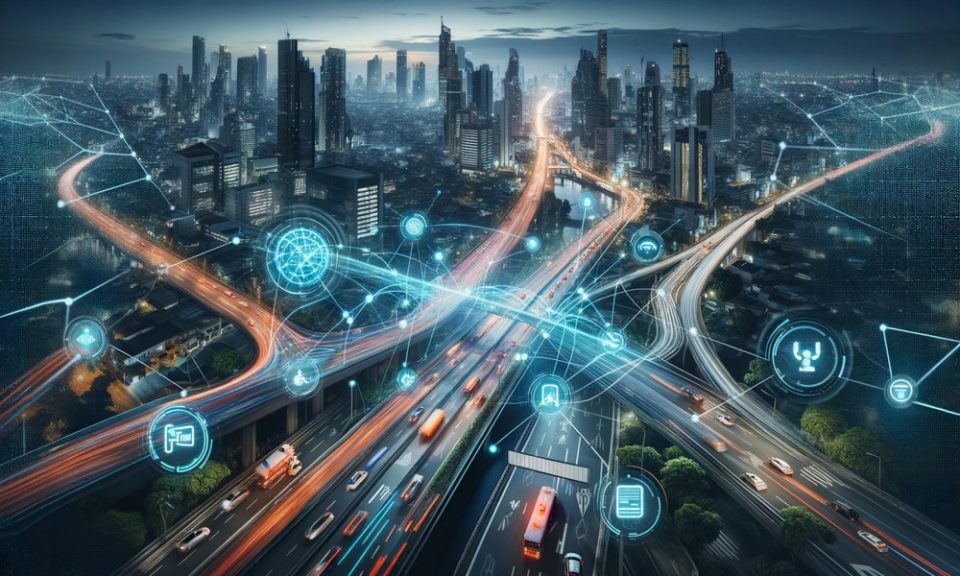
Gridlock at rush hour, delays from outdated signals, and frustration on both sides of the steering wheel, traffic congestion is more than an urban nuisance. It chips away at productivity, strains local economies, and slowly erodes quality of life. The good news? Traffic flow can be improved, and the smartest cities are proving that targeted technology and thoughtful strategy can make a measurable difference.
Understanding Traffic Flow Challenges
Common Causes of Traffic Congestion
Congestion rarely has a single culprit. In most communities, traffic slows due to a tangled mix of outdated signal timing, accident-prone intersections, unpredictable pedestrian crossings, and surges in demand that overwhelm roads. Construction, weather events, and a lack of real-time data only add to the daily snarl for commuters.
Impact of Poor Traffic Flow on Communities and Businesses
The ripple effect goes beyond commuter headaches. Businesses lose customers and deliveries get delayed, while emergency vehicles find their routes blocked. Studies show that urban congestion can drain billions from local economies each year and increase air pollution, worsening public health.
Traditional Traffic Control Methods
Manual Traffic Signals and Their Limitations
Historically, traffic police and fixed-timed signals have managed intersections. While reliable in simple settings, they fall short during emergencies or sudden surges in traffic. Manual methods lack agility. If a major event or accident occurs, response times often lag.
Fixed-Time Traffic Lights vs. Adaptive Systems
Fixed-time lights operate on pre-set cycles, regardless of actual conditions. This rigidity means green lights may wastefully serve empty lanes and red lights force unnecessary waits. Adaptive systems, in contrast, promise dynamic flexibility based on real-time data.
Physical Infrastructure Approaches (Road Expansion, Signage)
Widening roads and adding lanes used to be the default response. But this is costly and disruptive, plus evidence shows that expanding roads often leads to more cars and, eventually, more congestion, a phenomenon called induced demand.
Smart Traffic Control Technologies
Overview of Smart Controls in Traffic Management
Smart traffic controls merge sensors, communication networks, and algorithms to coordinate flow more efficiently. These systems monitor conditions, predict fluctuations, and direct vehicles in real time, often with little human intervention.
Sensor-Based Systems: How They Work and Their Benefits
Sensors detect car counts, speeds, and congestion levels along key routes. These data streams feed into central platforms that adjust signal timing, reroute vehicles, or trigger alerts. The result is smoother traffic, fewer stops, and less fuel wasted idling at red lights.
AI and Machine Learning in Traffic Flow Optimization
Artificial intelligence takes smart control a step further by learning from historical trends and continuously optimizing traffic patterns. Machine learning algorithms assess factors like time of day, weather, local events, and accident reports, then recommend or automatically implement adjustments.
Comparing Effectiveness: Traditional vs. Smart Controls
A closer look reveals just how much smarter traffic management outpaces legacy approaches.
| Method | Response Time | Adaptability | Average Cost | Environmental Impact |
|——————————-|———————|——————–|——————-|———————–|
| Manual/Fixed-Time Signals | Slow | Low | Low-Moderate | Higher emissions |
| Adaptive Smart Controls | Instant/Real-Time | High | Higher upfront | Lower emissions |
Traditional methods simply cannot keep up with rapidly changing traffic patterns, while smart controls adapt instantly and reduce emissions thanks to fewer stops and shorter travel times.
Case Studies: Success Stories of Smart Traffic Controls
Urban Examples with Measurable Improvements
Cities like Los Angeles and Singapore have implemented adaptive traffic management with impressive results. After upgrading to smart signals, Los Angeles cut travel delays by up to 16 percent on some corridors. Singapore’s intelligent transport system has kept commute times stable despite dramatic population growth.
Lessons Learned from Implementation Challenges
Even the best technology faces hurdles. Integrating new systems with legacy infrastructure requires coordination across agencies, careful data management, and public education. These case studies show that success hinges on ongoing training and stakeholder engagement.
Practical Strategies to Integrate Smart Controls
Assessing Current Traffic Flow and Identifying Pain Points
Start by mapping congestion hotspots and analyzing peak-hour flows. Use sensors and manual observations to pinpoint where delays consistently occur.
Choosing the Right Smart Control Technology for Your Area
Not all systems are created equal. Some cities benefit from adaptive traffic lights, while others may need advanced sensor suites or AI-driven analytics. Reliable partners, such as Salus Traffic Control, offer tailored solutions that blend seamlessly with local needs.
Combining Traditional and Smart Solutions for Maximum Efficiency
Blending approaches often yields the best outcomes. For example, combining adaptive signals with clear signage and targeted road improvements can maximize gains without requiring a full infrastructure overhaul.
Future Trends in Traffic Management
Emerging Innovations in Smart Traffic Controls
Look for next-wave technologies like predictive analytics, cloud-based traffic coordination, and even real-time communications between traffic systems and emergency responders.
The Role of IoT and Connected Vehicles in Traffic Flow
Smart controls will increasingly rely on the Internet of Things to connect vehicles, signals, and infrastructure. As cars and roads “talk” to each other, expect safer intersections and more efficient routes.
Preparing for Autonomous Traffic Systems
The future points to fully autonomous traffic management, where AI not only controls signals but guides fleets of self-driving cars through complex networks, reducing human error and optimizing every second on the road.
Measuring and Sustaining Traffic Flow Improvements
Key Metrics for Monitoring Traffic Performance
Track average vehicle speeds, intersection wait times, incident response times, and emissions data. These metrics spotlight where progress is happening and where attention is needed.
Continuous Optimization Through Data Analytics
Smart controls generate mountains of data. Regular analysis ensures that systems adapt to evolving traffic patterns, seasonal shifts, and urban growth.
Engaging Stakeholders and Community for Long-Term Success
Lasting results come from involving city planners, businesses, and residents in both planning and feedback. Open communication fosters public support and ensures the longevity of smart traffic management strategies.
Smart controls represent more than just new technology, they are a shift toward cities that work for everyone, every day. The road ahead might be crowded, but with the right strategies, it moves a lot smoother.
