
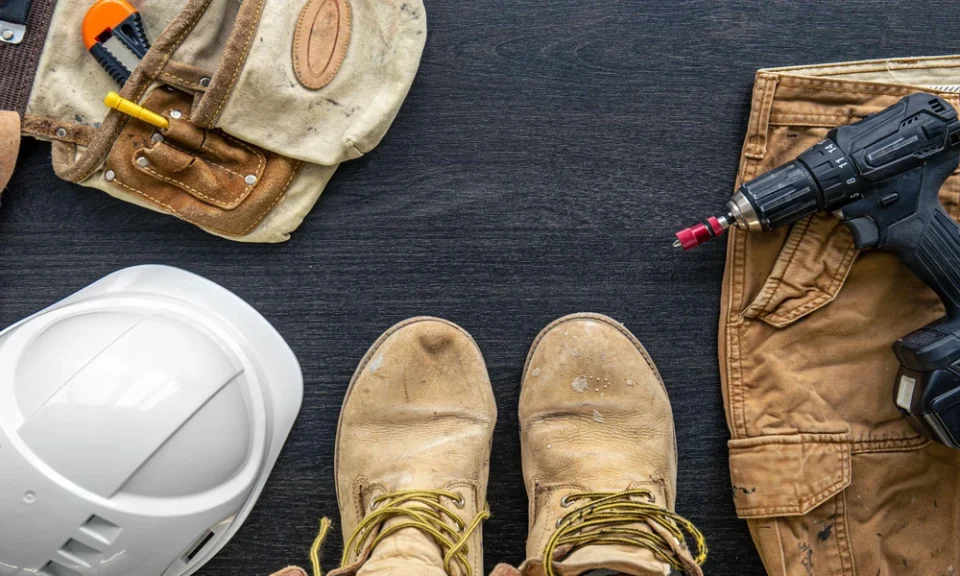
Supervisors ordering footwear in bulk often default to steel toe because it’s the familiar choice and the rated protection is well understood. That default is sound for many factory floors and genuinely unsuitable for others, particularly where electrical work, metal detection, or temperature extremes are part of daily operations. The toe cap material is the one specification that can’t be adjusted after purchase, which makes it worth resolving against four specific factors before committing to an order across an entire crew, since correcting a mismatched bulk order is considerably more expensive than getting the specification right the first time.
1. Whether Electrical Hazards Are Present in the Work Environment
Steel conducts electricity, and while a properly constructed safety boot insulates the wearer, composite caps eliminate the conductive element entirely. For crews working around live electrical equipment, exposed conductors, or switchgear, composite safety boots in Singapore remove a variable that steel introduces. Where no electrical hazard exists on the floor at all, this factor carries little weight, and steel’s other advantages become more relevant to the decision. It’s worth assessing this honestly rather than generically, since some facilities have electrical exposure confined to a maintenance team while the bulk of the production crew never goes near live equipment, and specifying composite across the entire site on that basis may not be the most sensible use of budget.
2. Whether the Site Uses Metal Detection or Security Screening
Facilities with metal detection at entry points, or manufacturing processes involving metal detectors on production lines, encounter a practical nuisance with steel toe caps that composite avoids completely. For logistics operations and food manufacturing in particular, where screening is routine, this operational friction adds up across hundreds of daily passages and often tips the decision toward composite on convenience grounds alone. In some facilities, this isn’t merely a convenience question but a genuine throughput issue, since a queue building at a security checkpoint because every pair of boots triggers an alarm has a measurable cost across a shift change involving a large crew.
3. Temperature Conditions on the Factory Floor
Steel transmits heat and cold considerably more readily than composite materials. In cold storage environments, steel caps conduct cold toward the toes noticeably, while in hot processing areas the reverse applies. Composite caps insulate better in both directions, which affects comfort meaningfully over a full shift and, by extension, whether workers actually keep their boots on properly throughout the day rather than seeking relief. Compliance and comfort are more closely linked than they might appear, since footwear that becomes genuinely uncomfortable over an eight- or twelve-hour shift tends to be loosened, removed during breaks, or worn improperly in ways that undermine the protection it was specified to provide.
4. The Specific Impact and Compression Profile of the Hazard
Both materials are available meeting recognised impact and compression standards, so the question isn’t whether composite protects adequately but how each performs under the specific hazards present. Steel typically achieves a given protection rating in a thinner profile, which can matter for boot fit and weight distribution. Composite achieves comparable ratings with a slightly bulkier cap but lower overall weight, which reduces fatigue across long shifts spent walking or standing. For crews covering significant distances on foot throughout a shift, this weight difference accumulates in a way that a single fitting session simply doesn’t reveal, and it’s worth trialling both with a small group before committing to a large order.
| Factor | Steel Toe | Composite Toe |
| Electrical hazard suitability | Conductive material present | Non-conductive, no metal component |
| Metal detection environments | Triggers detectors routinely | Passes screening without issue |
| Temperature conduction | Transmits heat and cold readily | Insulates better in both extremes |
| Weight and profile | Thinner cap, heavier overall | Bulkier cap, lighter overall |
Matching the Specification to Your Actual Hazard Assessment
The decision rarely comes down to which material is stronger, since both are available certified to the same protection standards. It comes down to which secondary characteristics matter on your specific floor. A site with no electrical exposure, no metal detection, and moderate temperatures has little reason to pay a premium for composite. A cold storage facility with routine security screening has several reasons to avoid steel entirely. Supervisors ordering safety boots in Singapore across a mixed-hazard facility sometimes find the honest answer is that different areas warrant different specifications rather than one standard boot for everyone, which is more administratively awkward but considerably better matched to the actual risks each crew faces and usually easier to justify to a safety auditor reviewing the provision.
Contact Ansac Technology to review your facility’s hazard profile and identify the appropriate toe cap specification for each work area.
