
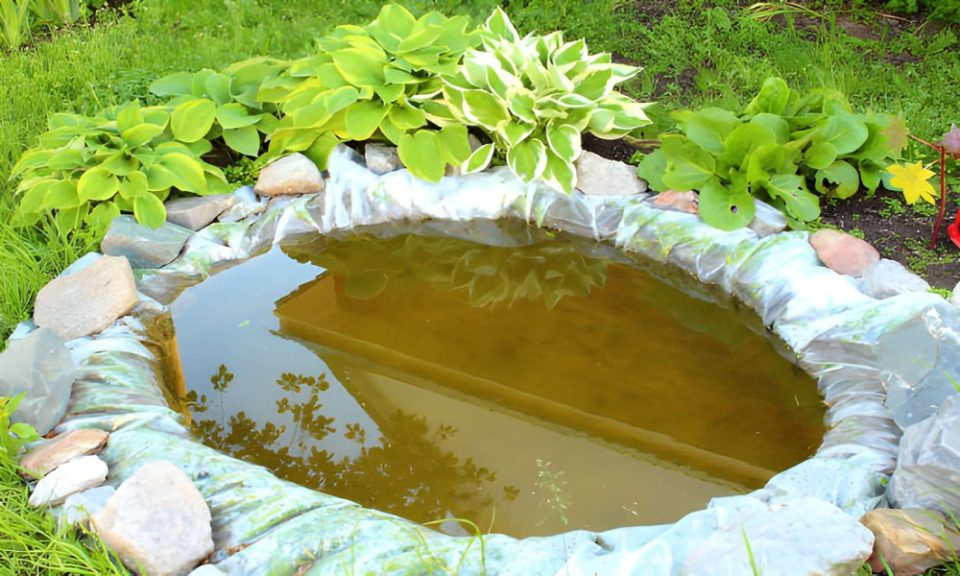
You head out with your morning tea, casually look toward the pond, and then stop mid-step. Something is not quite right. The water level looks a little lower than yesterday. Just enough to make you tilt your head and wonder if your eyes are playing tricks on you.
At first, you shrug it off. It was warm yesterday. A bit of evaporation, surely. But when the same thing happens the next day, and the next, that mild curiosity starts turning into suspicion.
Quite often, it does come down to a leaking pond liner. And this is where experienced service providers like That Pond Guy really earn their reputation. They do not rush in with a quick patch and call it done. They take their time, checking pumps, pipework, waterfalls, and pond edges before deciding what is truly causing the problem. Their methodical approach saves time, stress, and a lot of guesswork.
Step One: Turn Everything Off
Before you start poking around, do something simple.
- Switch off the pump
- Stop waterfalls or streams
- Let the pond sit still for a day
If the water level continues to fall, you can safely rule out splashing or water loss from features. That is when your suspicion of a liner leak starts to feel very real.
The Bucket Test
Surprisingly, this method is quite Effective and very simple, too.
So, you can:
- Fill a bucket with pond water
- Place it beside the pond
- Mark the waterline on both
- Wait for 24 hours
If the pond loses more water than the bucket, evaporation is not your problem. You are likely dealing with an actual hole or tear somewhere down the line.
Check the Edges Before the Bottom
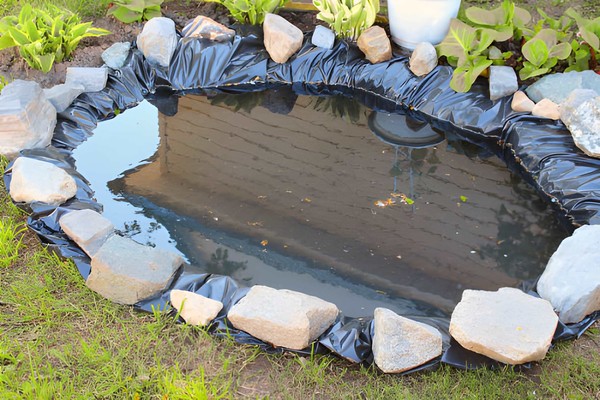
Oddly enough, many leaks do not happen in the deep centre of the pond.
They happen at the edges:
- Look for damp soil or muddy patches around the pond
- Check where rocks press against the liner
- Notice any unusually lush grass near the pond rim
Water often escapes quietly over the top edge and disappears into the ground. It does not make a dramatic scene. It just vanishes.
Do Not Forget Waterfalls and Streams
If you have decorative features, inspect them closely. Sometimes water slips out of the liner along a stream or waterfall return, creating the illusion that the pond itself is leaking. This is a common trap and easy to miss because everything looks normal.
Finding and Marking the Leak
When you finally spot the tiny hole, and yes, it may take patience:
- Mark it with chalk or a stone
- Keep the area dry before repairing
- Use proper liner repair tape or a patch kit
A careful patch is often all it takes to solve the issue.
A Bit of Reassurance
Finding a leak can feel frustrating, even annoying. You built this peaceful corner of the garden, and now it is misbehaving. But most liner leaks are fixable without major drama.
A little detective work. A calm approach. And very soon, the waterline stays exactly where it should.
