
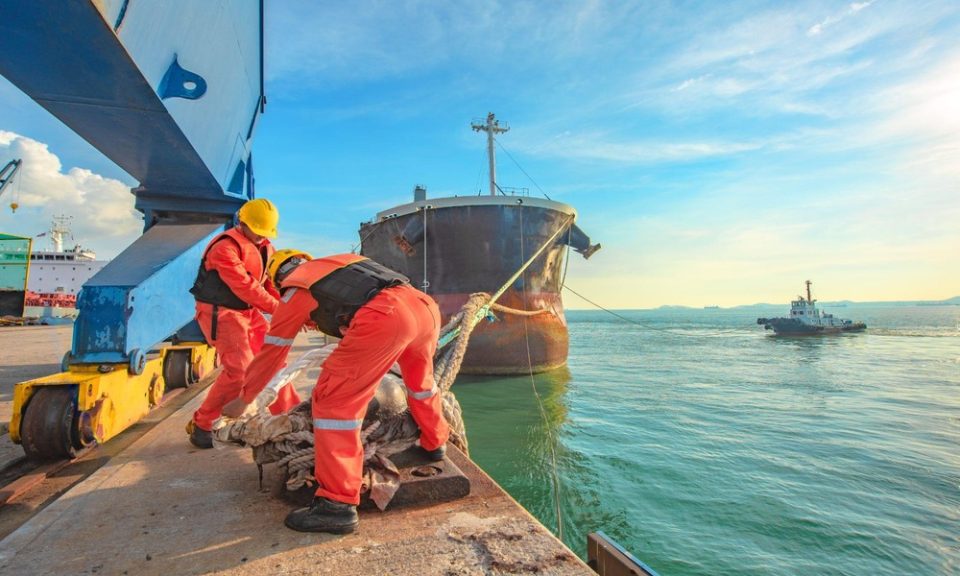
Cargo ships crisscross the world’s oceans every day, carrying everything from steel coils to grain. Behind each safe voyage lies a complex web of marine inspection services designed to ensure ships, crews, and cargo stay protected while minimizing costly mistakes and delays.
Challenges in Cargo Handling and Marine Operations
Moving massive quantities of cargo by sea is not as straightforward as it may seem. One misstep in loading or a miscalculation in cargo weight can trigger a domino effect of operational risks and financial losses.
Risks Associated with Improper Cargo Loading and Unloading
Improper cargo distribution can threaten a ship’s stability. If a vessel is overloaded or weight is unevenly spread, its ability to weather storms and navigate rough seas is compromised. Sometimes, even the smallest oversight during loading can lead to cargo shifting, resulting in damage or loss.
Consequences of Inaccurate Cargo Measurement
Cargo measurement errors don’t just affect the bottom line. Overestimating or underestimating the amount loaded impacts everything from freight charges to compliance with international regulations. Discrepancies here can spark disputes between ship owners, charterers, and clients, sometimes leading to protracted legal battles.
Importance of Vessel Condition Before and After Cargo Operations
The state of the ship’s holds and tanks is pivotal before any loading begins. Any trace of moisture, leftover materials, or structural flaws can threaten cargo quality and safety. After unloading, inspections ensure no unwanted residues or damages have occurred, safeguarding both the vessel and future cargoes.
Overview of Marine Inspection Services
It takes an expert’s eye to catch what might be missed by a hurried crew. Marine surveyors bridge the gap between operational efficiency and vigilant risk management.
Role and Expertise of Marine Surveyors
Marine surveyors are specialists trained to evaluate ships, cargo, and operational procedures. Their work spans from visually inspecting for damage to conducting rigorous measurements and tests. They don’t just check boxes on a list; their seasoned judgment is crucial for interpreting findings and making recommendations.
Key Types of Marine Inspections Supporting Cargo Handling
Several core inspections stand out in cargo operations:
– Draft surveys: Measuring cargo weight through water displacement.
– Empty hold inspections: Verifying that holds are clean, dry, and structurally ready for loading.
– Pre-loading surveys: Especially critical for sensitive cargo, like steel products.
– Bunker surveys: Assessing the type and amount of fuel on board.
How Marine Inspections Enhance Safety and Efficiency
Effective marine inspection minimizes delays, reduces accident risk, and ensures a transparent chain of custody for goods. By resolving issues preemptively, they keep vessels moving and protect reputations across the supply chain.
Draft Survey: Measuring Cargo Weight Accurately
Principles Behind Draft Surveys (Archimedes’ Theory)
The draft survey is a classic application of Archimedes’ principle. By measuring how much a ship sinks into the water before and after loading, surveyors calculate the exact weight of cargo loaded or discharged. This method, while simple in concept, requires meticulous execution.
Step-by-Step Process of Conducting a Draft Survey
1. Record draft readings fore, aft, and midship, both port and starboard.
2. Measure water density alongside the vessel.
3. Calculate displacement using hydrostatic tables.
4. Subtract the vessel’s light condition weight and deduct for fuel, freshwater, and stores.
5. Arrive at the precise cargo weight.
Common Challenges and How to Overcome Them
Draft surveys can be complicated by rough seas, poor visibility, or inaccuracies in hydrostatic tables. Experienced surveyors rely on redundancy, taking multiple readings, cross-checking figures, and collaborating closely with ship staff.
Empty Hold Inspection: Ensuring Vessel Readiness
Purpose and Importance of Hold Condition Surveys
Before any cargo is loaded, holds must be inspected for cleanliness, dryness, and fitness. Even minor residues or moisture can spoil sensitive goods like steel, grain, or fertilizers.
Criteria for Assessing Cargo Holds Before Loading
Surveyors check for:
– Absence of previous cargo residues
– No rust, scale, or paint flakes
– Dryness (no condensation or leaks)
– Proper sealing and locking of hatch covers
Typical Issues Found and Their Impact on Cargo Safety
Common problems include hidden damp patches, missed debris, or unnoticed rust. These can result in damaged cargo, claims, and delays.
Loading Steel Products: Specialized Inspection Needs
Types of Steel Products Requiring Pre-Loading Surveys
Finished steel products (coils, plates, bars) and unfinished items (slabs, billets) each demand careful pre-loading examination due to their vulnerability to moisture and physical damage.
Inspection Procedures for Finished vs. Unfinished Steel Cargo
Finished steel cargo must be checked for even the smallest nicks or rust spots, while unfinished goods require more focus on structural integrity and proper stacking.
Ensuring Proper Handling and Securing of Steel Products
Pre-loading surveys confirm that lashing materials are ready and storage plans will prevent movement during transit.
Additional Marine Inspection Services Supporting Cargo Handling
Inspection professionals also support safe cargo flows through:
– Bunker surveys: Ensuring fuel quantity and quality meet requirements
– Mineral loading/unloading checks: Preventing contamination or loss
– On/Off hire bunker condition checks: Protecting charter party interests
– Fertilizer and sugar inspections: Guarding against contamination and spoilage
Taking Action: Selecting and Working with Marine Inspection Providers
Choosing the right inspection partner is critical. Look for experience, local expertise, and a track record of responsiveness.
– Preparation matters: Ensure holds, documentation, and crew are ready for inspection day.
– Use reports wisely: Inspection findings should drive improvements and inform future operations.
Companies like Sea Sob surveyors bring regional expertise and can tailor solutions for specific cargo types and client needs.
Future Trends and Innovations in Marine Inspection Services
Technology is transforming marine inspection, from drones capturing high-resolution imagery to digital reporting platforms reducing human error. Environmental and safety regulations are also tightening, making inspection services more vital than ever. As shipping grows more complex, modern surveyors will continue adapting, keeping vessels, cargoes, and crews safer for every journey.
